
🌟April Theme: New Beginnings🌟
🌟 Bible Study, Sunday April 19, 2026 🌟
🌟 Hayne Hipp Room, 10:30 a.m. 🌟
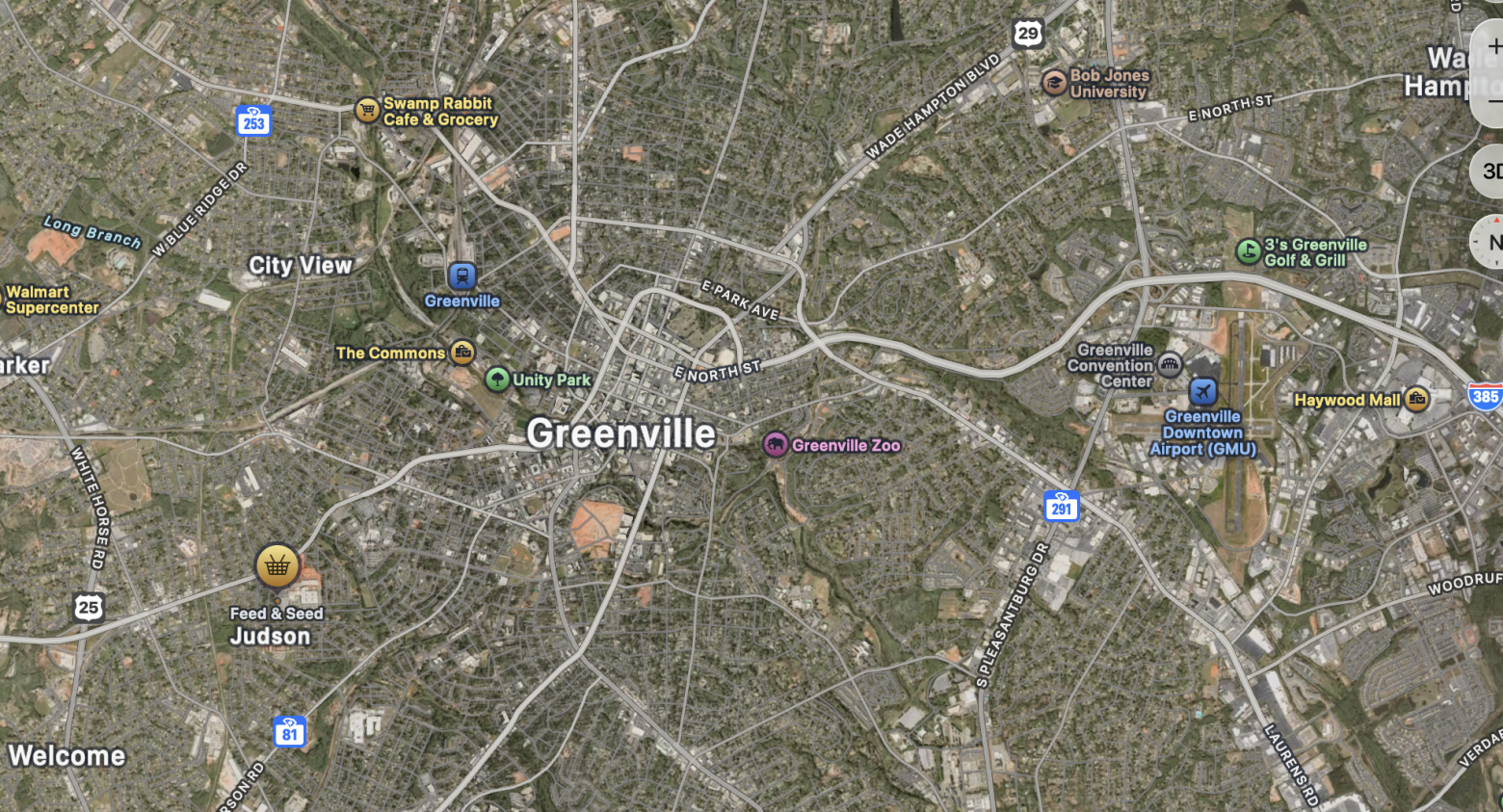
Join us for our first meeting at our new home at the Hayne Hipp Community Room at Feed & Seed, 701 Easley Bridge Road, Greenville, SC 29611 (see directions and helpful photos below). (If you put into your GPS, the suggestion is to put Bloc Haven).
For our Bible study this Sunday, we step into one of Jesus’ most provocative stories: the Parable of the Sower—often called the parable of parables. What if this isn’t a tidy lesson about being “good soil,” but a story about risk, waste, and a kind of abundance that doesn’t play by the rules? We will compare the version of this story found in Matthew, Mark, Luke, and the non-canonical Gospel of Thomas (a collection of Jesus' sayings that may date to the 1st century).
We’ll explore why parables don’t behave like allegories, why not every detail needs to be decoded, and how the tension in the story is actually the point. Parables work at that edge where our present limits meet new possibility—where what is and what could be begin to overlap. That’s why they feel mysterious. They’re not just meant to be understood, but experienced.
This won’t be about getting the “right” answer. It will be about leaning into the questions, listening together, and discovering what this story might be opening up in us. By the end, we’ll begin shaping a shared sense of how this parable might guide how New Day lives, acts, and shows up in the world right now.
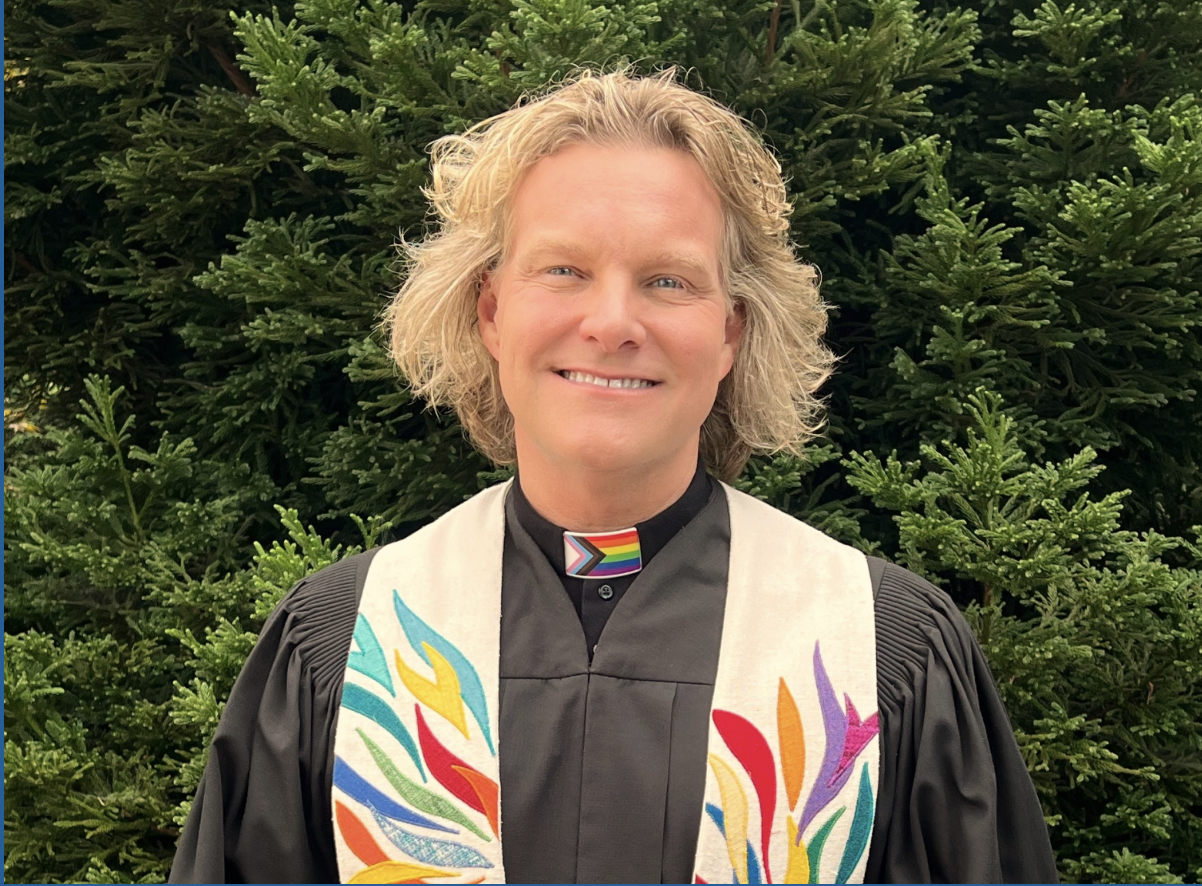
Dear Beloved Community,
Jesus was not the first teacher to use parables, but he used them in a distinctive way. He took ordinary scenes like farming, cooking, and family life and turned them into invitations to imagine God’s kingdom. His stories draw people into a vision of a different kind of world, one where the values of God’s reign take shape here and now.
There is a reason parables stay with us. They are not simple explanations. They linger and unsettle. They return at unexpected moments. In that way, they function more like symbols than lessons.
The philosopher Paul Ricoeur wrote that “the symbol gives rise to thought.” A symbol does not hand us meaning. It invites us into it. Meaning unfolds as we engage it.
Parables work in a similar way. They create tension and leave space. That space is not a flaw. It is where meaning begins. In the Parable of the Sower, a farmer scatters seed everywhere with no concern for where it lands. The later explanation assigns meanings to each type of soil, but the story itself resists that kind of control. It keeps asking us new questions: Why sow like that? What kind of world does that assume? What kind of trust allows for such waste? Is the problem really the soil, or is something else being revealed? What happens when growth is not managed or controlled? What if abundance is not tied to efficiency?
Jesus was not the first teacher to use parables, but he used them in a distinctive way. He took ordinary scenes like farming, cooking, and family life and turned them into invitations to imagine God’s kingdom. His stories draw people into a vision of a different kind of world, one where the values of God’s reign take shape here and now.
There is a reason parables stay with us. They are not simple explanations. They linger and unsettle. They return at unexpected moments. In that way, they function more like symbols than lessons.
The philosopher Paul Ricoeur wrote that “the symbol gives rise to thought.” A symbol does not hand us meaning. It invites us into it. Meaning unfolds as we engage it.
Parables work in a similar way. They create tension and leave space. That space is not a flaw. It is where meaning begins. In the Parable of the Sower, a farmer scatters seed everywhere with no concern for where it lands. The later explanation assigns meanings to each type of soil, but the story itself resists that kind of control. It keeps asking us new questions: Why sow like that? What kind of world does that assume? What kind of trust allows for such waste? Is the problem really the soil, or is something else being revealed? What happens when growth is not managed or controlled? What if abundance is not tied to efficiency?
Stories like this bring us to the edge between what is and what could be. Our present limits meet new possibility. That is why parables feel mysterious. They are not just meant to be understood. They are meant to be experienced.
At New Day, this shapes how we read Scripture. We are not looking for one fixed meaning. We listen together, notice the tensions, and allow the story to work on us.
The power of a parable is not that it explains the world as it is. It opens us to the world as it could be and invites us to live into that possibility together.
Blessings,
Pastor Brian

New Day continues its mission to become a "church beyond the walls" with a broad range of activities to build community and several ways to grow in your faith and spirituality over the rest of this month.
Upcoming Events
- Monthly Service Project: Sunday, April 26, 9:00 a.m. – 12:00 p.m. Project Host soup kitchen. Contact Pastor Brian to sign up.
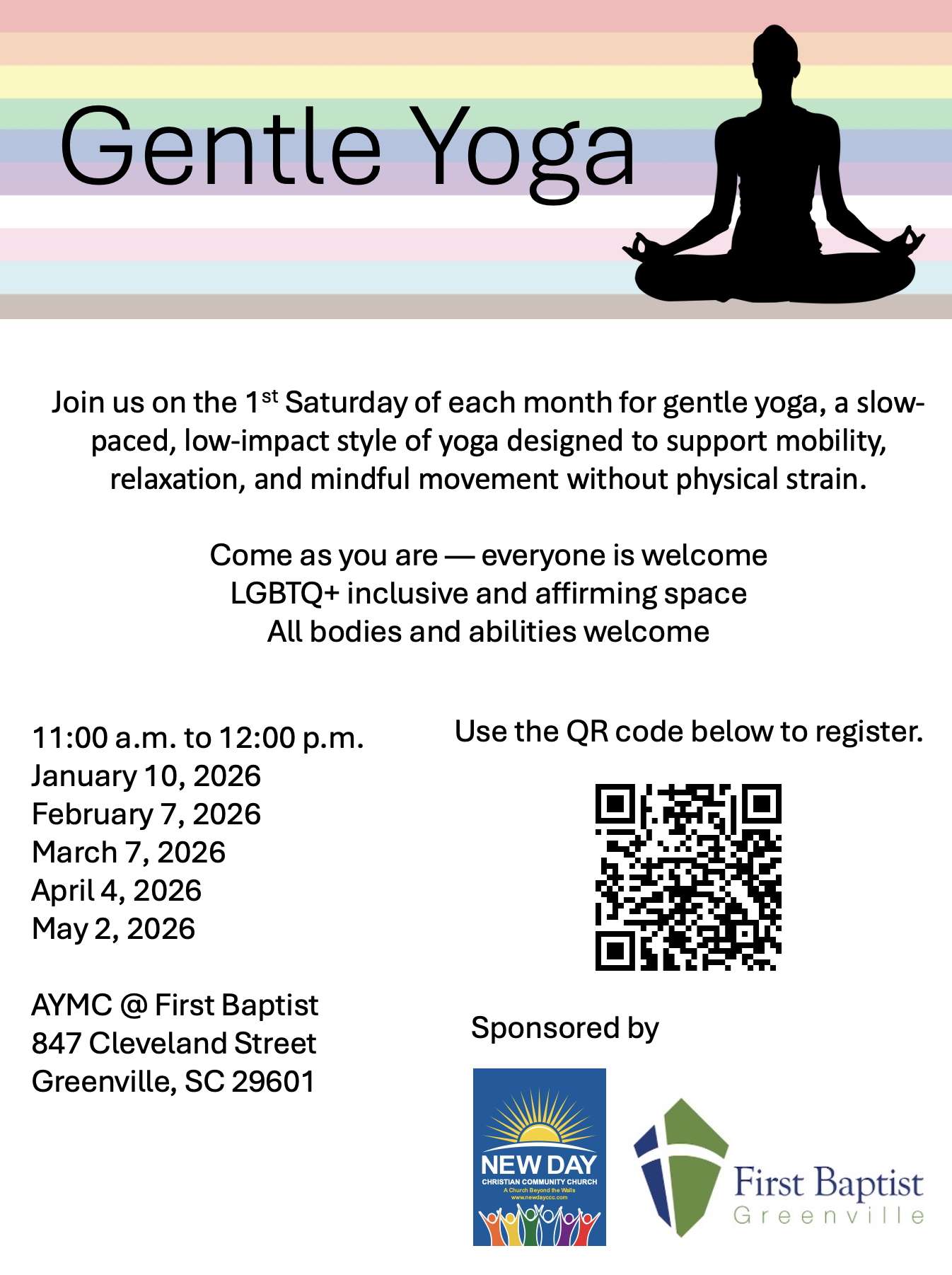
- Restorative Yoga Practice: May 2, 2026, at 11 a.m. at AYMC at First Baptist. Please sign up using link below.
- Bible Study: Sunday, May 3 ,2026, at 10:30 a.m. Hayne Hipp Room, Feed & Seed.
- Monthly Social Event: Immediately after worship, May 3, Lunch and Devil Wears Prada 2. Contact Pastor Brian for details.
- Monthly Worship Service: Sunday, May 10, 2026, at 10:30 a.m. Hayne Hipp Room, Feed & Seed.
🌟 NEW MONTHLY VIRTUAL MEETING 🌟
🌟The Trinity and Other Images of God🌟
🌟Vote your preference for meeting times🌟
Pastor Brian has been asked by several people if we might have a monthly virtual gathering. This allows people who are not able to make it to our services to have a chance to connect with our community. It also allows us to dive deep into topics that we don't aren't the right fit for our Bible Study. A congregant has asked Pastor Brian to provide a look at the Trinity. How do we think about other images of God when our Christian faith has adopted the Trinity that holds God to have three persons: Father, Son, and Holy Spirit? If you are interested in this topic, please vote in this survey. If you'd like to discuss other topics or times with Pastor Brian, please contact him directly at pastor@newdayccc.com.
What is the best time to have a virtual deep dive into a theological topic?
Monday evening
- View Details
Saturday / Sunday morning
- View Details
Weekday lunch time
- View Details

If you'd like to add anything for next weeks' community prayer, please contact Pastor Brian at pastor@newdayccc.com.
- PRAISES that New Day has found a worship home at the Hayne Hipp Community Room at Feed & Seed, Judson Mills. Our monthly rental will go towards their mission of connecting local farmers with the community.
- Prayers for Jamie and Beth and who tested positive for COVID.
- Prayers for Jason as he discerns his next steps after his disability was approved.
- Prayers for Pastor Brian, Andrea, and others who have unspoken requests this week.

Please support the work of the church by donating your time, talent, and tithe.
As we embrace new opportunities in 2026, your support is more vital than ever. Your generosity fuels our mission to serve the LGBTQ community, provide a welcoming space for worship, and grow into all God calls us to be. Every gift, no matter the size, helps us continue creating a space of love, connection, and hope. Thank you for being part of this journey—your contributions truly make a difference.
4/16/26
Tithe Income: $10,015
Other Income: $1,073
Interest Earned: $3,025*
Expenses: $13,427
Net: $686
*interest includes amounts accrued under two CDs that New Day holds.
Click the link below to give through our Flocknote portal
or donate through Zelle to treasurer@newdayccc.com.

New Day Christian Community Church
MEETING LOCATION
HAYNE HIPP ROOM at FEED & SEED
701 Easley Bridge Road, Greenville, SC 29611
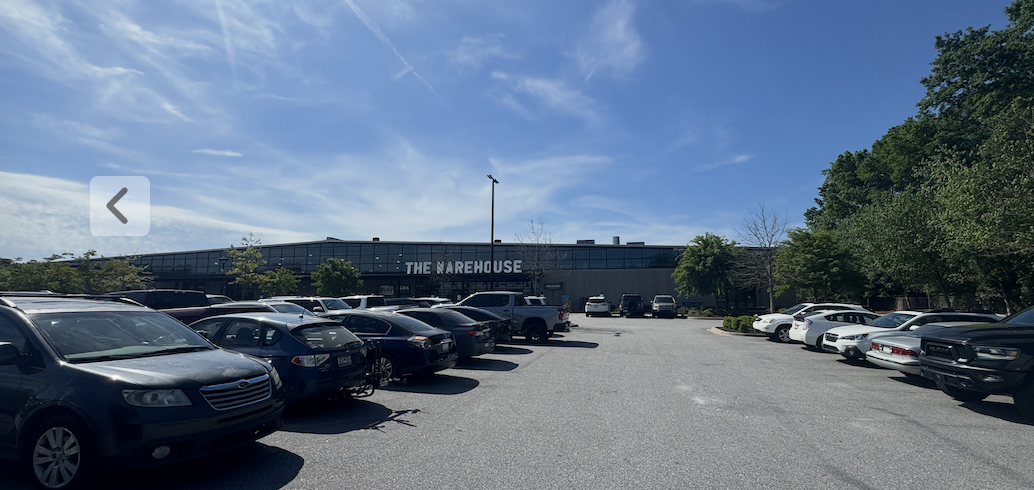
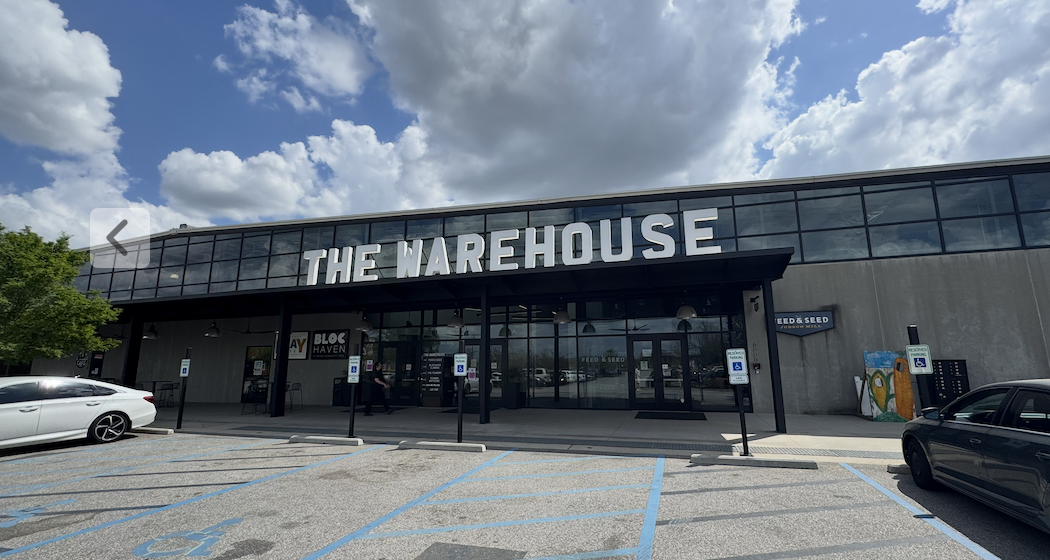
Go towards the main entrance and then go down the sidewalk towards the entrance on the right hand side. Restrooms are in the Warehouse building.
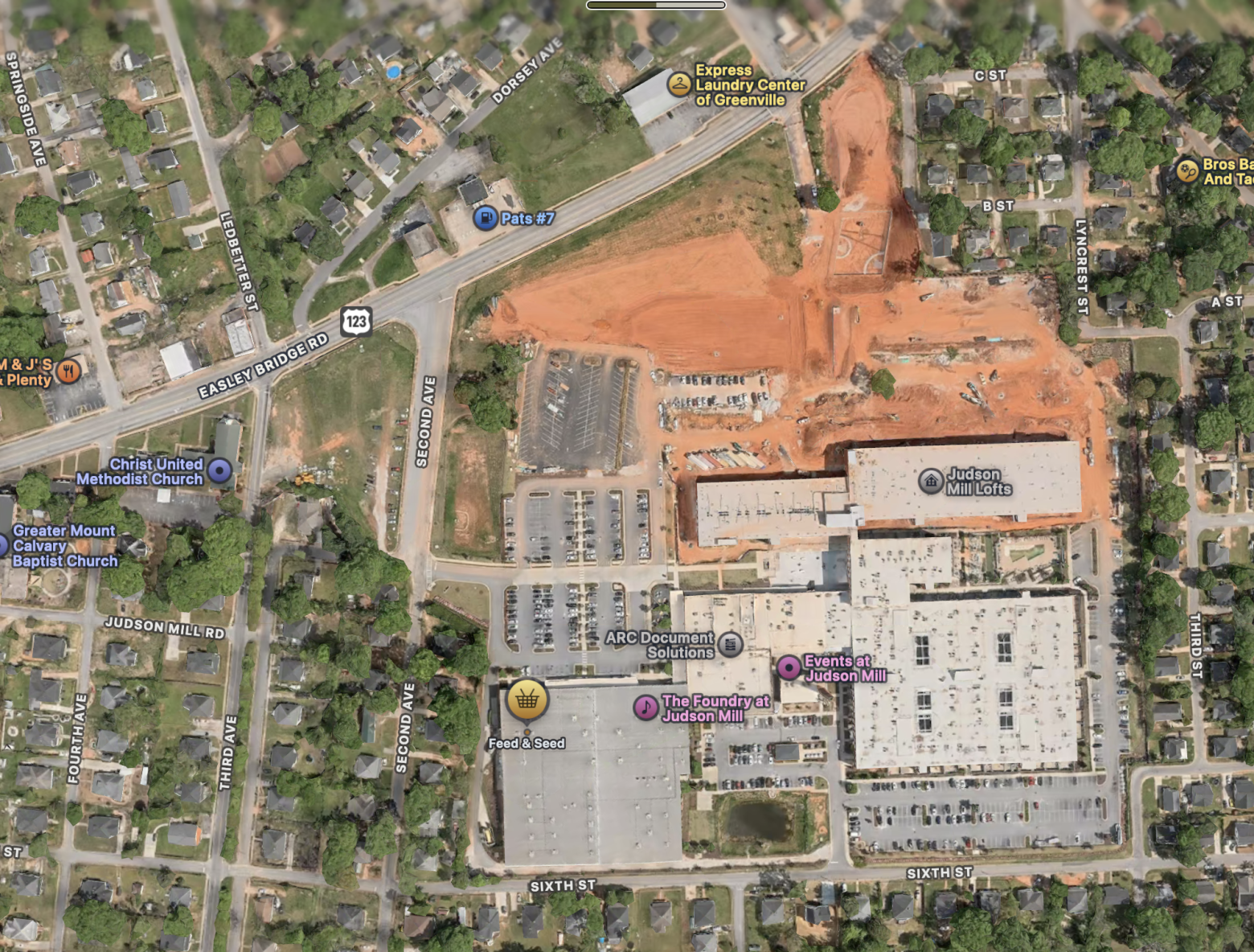
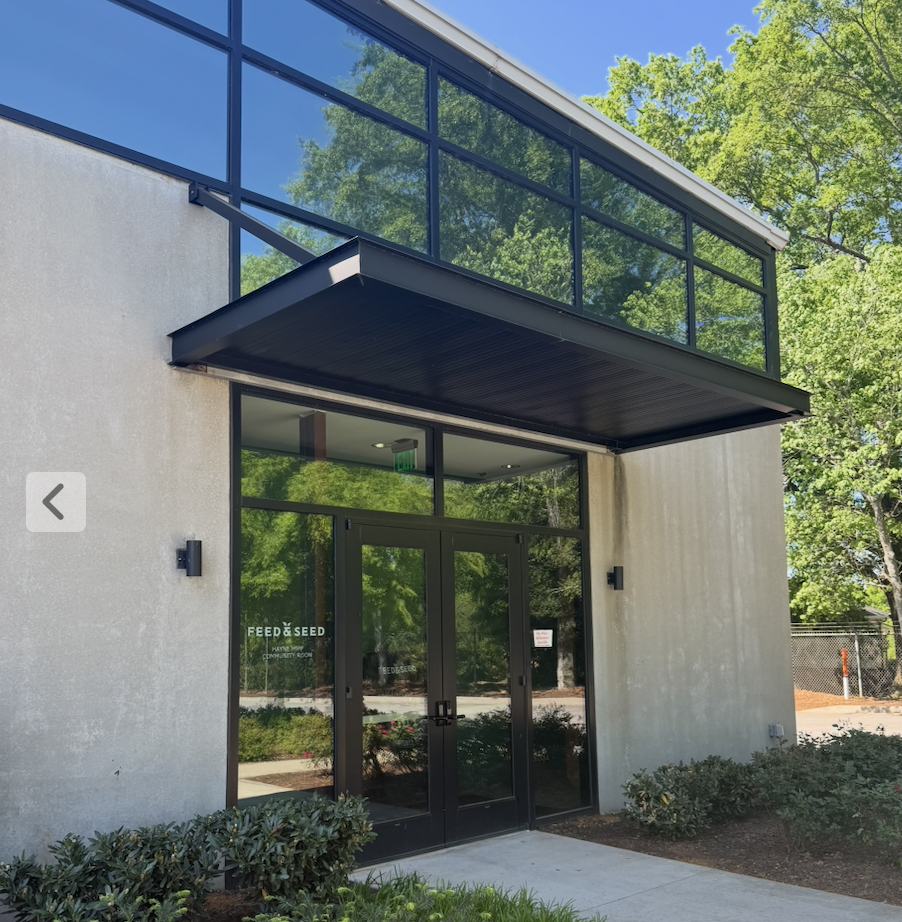
This is the entrance (on the far right side of THE WAREHOUSE building).
New Day Christian Community Church exists to provide a diverse, open, and affirming Christian community to all who desire a discipleship walk with Jesus Christ by offering challenging worship experiences, mission-based service opportunities, and Biblical learning so that we are empowered to reach out to others, introduce them to the love and strength of the beloved community, and invite them to join the faith journey of discipleship.